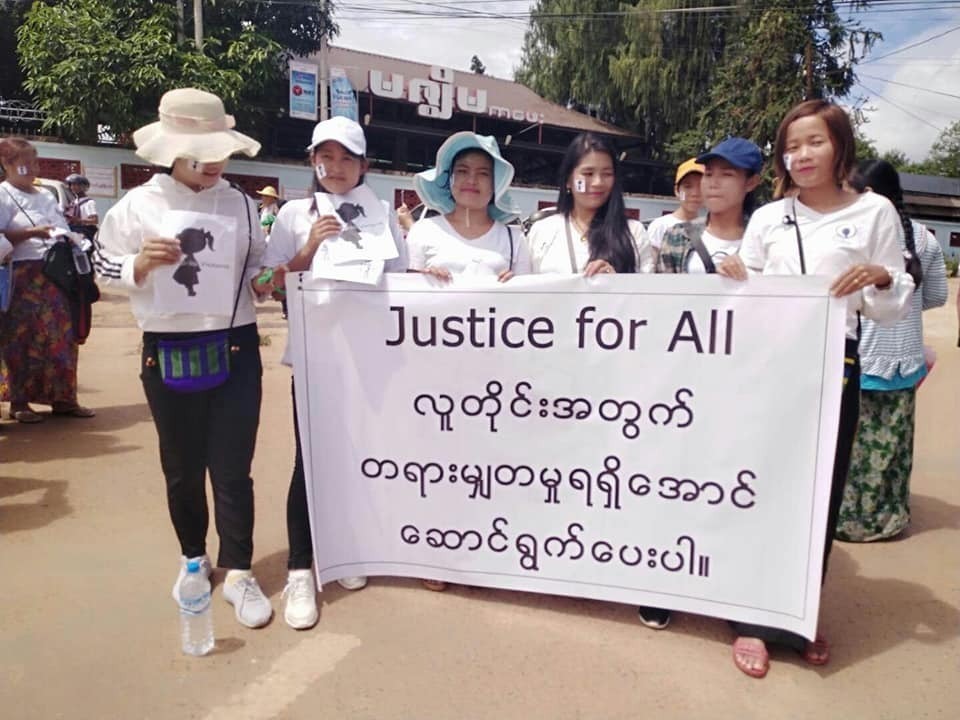
Advance Myanmar believes in long-term partnerships with our partners, offering reliable, regular support, which allows partners to prioritise according to their own needs. We support civil society organisations with financial grants and any other assistance they may need, ranging from assisting in setting up efficient administration systems, advice on technology and editing publications, through to facilitating contact with media and governments, and providing advice on strategy.
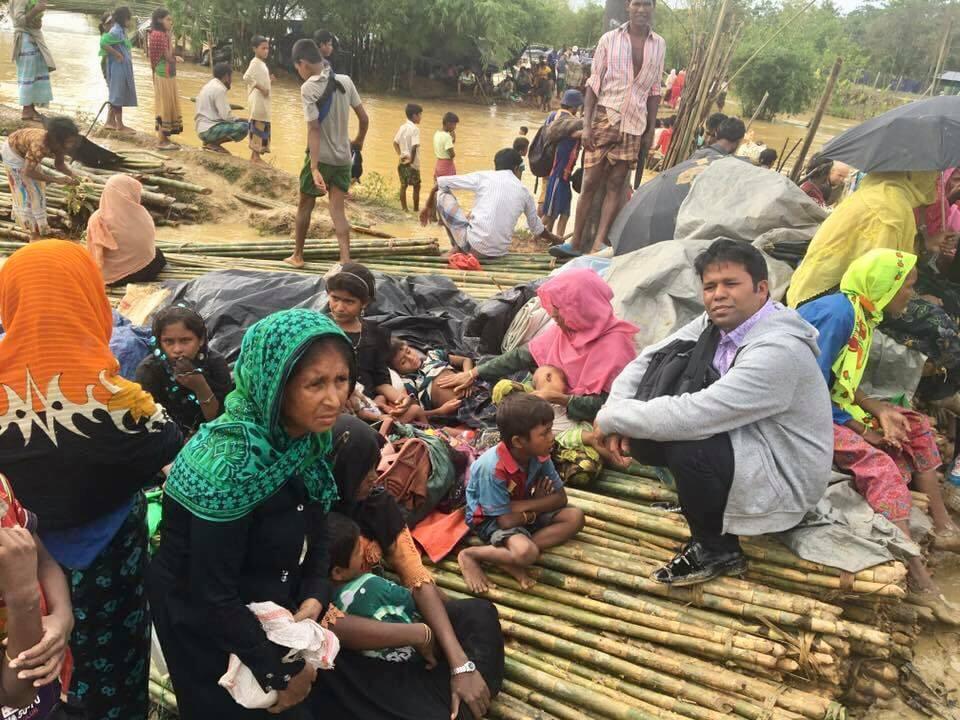
Burmese Rohingya Organisation UK
The Burmese Rohingya Organisation UK (BROUK) was established in 2005 by diaspora Rohingya in London. BROUK has led the way fighting for justice and accountability for the Rohingya genocide, especially through the ongoing Universal Jurisdiction case in Argentina, which was brought by BROUK.
BROUK also conducts research, monitors the human rights situation for Rohingya in Myanmar and other countries, and highlights ongoing violations against Rohingya through international media and high-level meetings. They have been at the forefront of advocating for more aid, right to work and education, and increased security for Rohingya refugees in Bangladesh.
Civil Disobedience Movement group (anonymous)
After the military coup, a Civil Disobedience Movement was established across Myanmar, consisting of mostly young activists who peacefully protested against the military’s power grab. They took to the cities in the hundreds of thousands but were met by an increasingly violent response. Many have been killed, arrested or have had to flee to areas free of Burmese military control.
A core group of underground activists are still staging public and online non-violent protests against the military, constantly risking arrest by doing so.
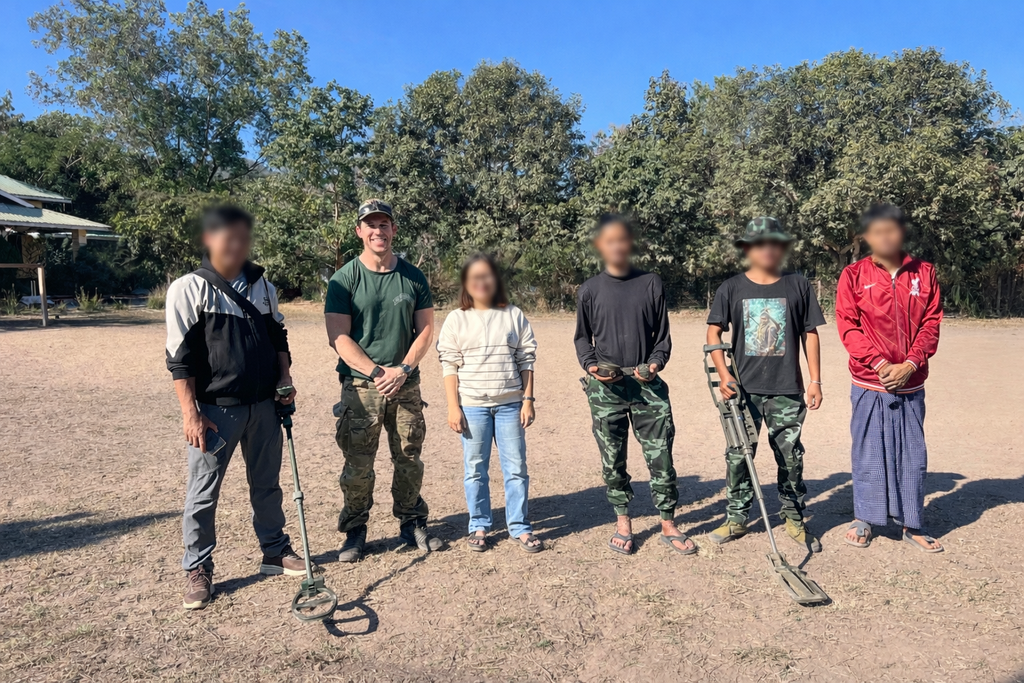
Free Burma Rangers
Advance Myanmar is working with Free Burma Rangers (FBR) on a unique landmine clearance project in Karenni State. FBR have decades of experience working in Myanmar.
The project is implemented in conjunction with the Karenni Interim Executive Council (IEC). The IEC is the government set up by resistance forces in the parts of Karenni State freed from Burmese military occupation, and the project is guided by their expertise and local needs.
Institute for Muslim Affairs in Myanmar
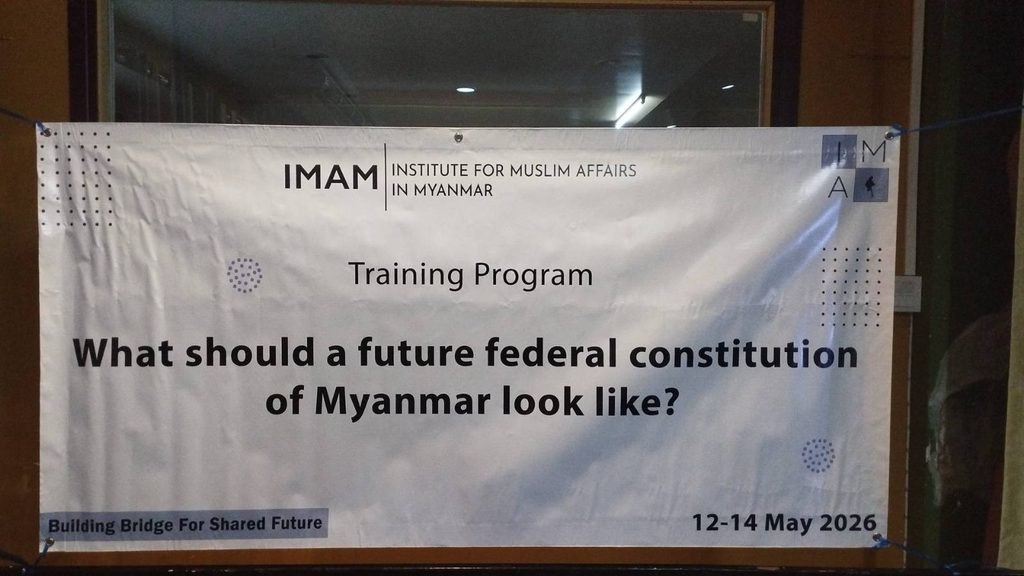
The Institute for Muslim Affairs in Myanmar (IMAM) works to increase the participation of minority groups in Myanmar politics, including Muslims. They do this through trainings where they engage with MPs from the 2020 elections, civil society organisations and administrations in ethnic areas. They publish research on minority rights and minority participation in Myanmar politics, and conduct advocacy on these issues. In the current climate of human rights and humanitarian crises in Myanmar, they provide humanitarian aid and support to human rights defenders, including current and former political prisoners.
Kachin Human Rights Watch
Kachin Human Rights Watch was founded in July 2021 after the military coup and the arrest of young Kachin leaders. It monitors and documents human rights violations occurring in Kachin State and Northern Shan State, where many Kachin communities live.
KHRW also raises awareness on how to stay safe from landmines with schools, parents, and remote communities, and provides financial support to human rights defenders, with a special focus on women, so they can stay safe. They also deliver emergency humanitarian aid to their communities.

Karen Environmental and Social Action Network
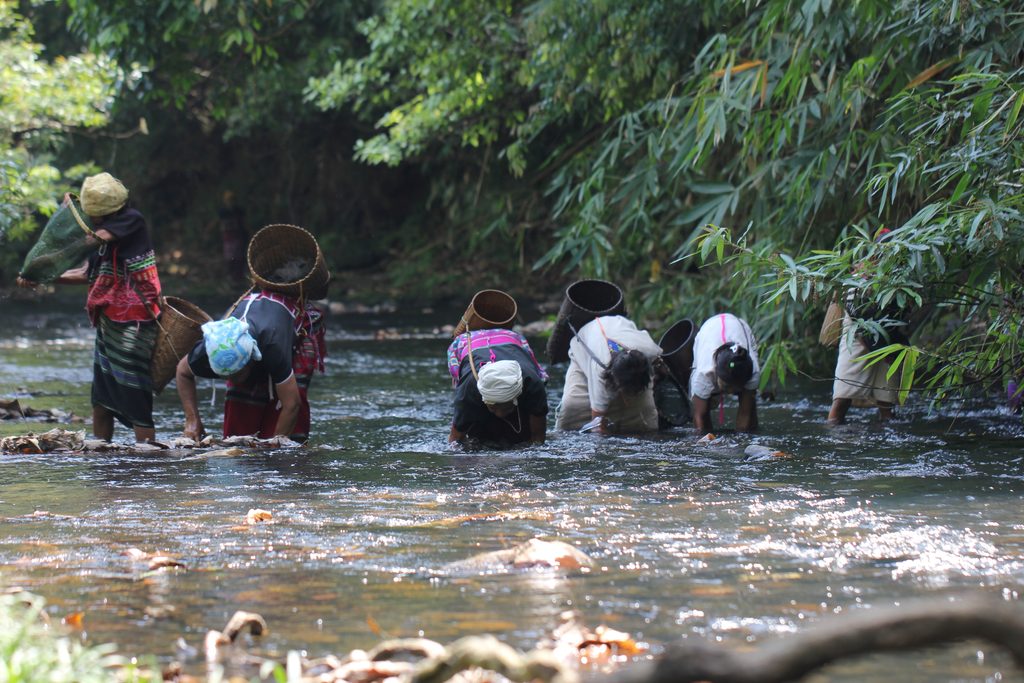
The Karen Environmental and Social Action Network (KESAN) was founded in 2001 and was the first wholly Karen organisation to address social and environmental problems that the people of Kawthoolei (Karen areas in Myanmar) have faced over many decades. KESAN works with local people on land rights, environmental protection and community-based livelihood security, rooted in local knowledge and traditions. They run a community radio program with grassroots reporters to increase knowledge and awareness in remote areas, publish research on the situation in Kawthoolei and conduct international advocacy.
Karen Peace Support Network
The Karen Peace Support Network (KPSN) is an alliance of 22 organisations based in Kawthoolei (Karen areas in Myanmar) and on the Thai-Myanmar border. KPSN provides lifesaving humanitarian aid, engages in advocacy, raises public awareness, publishes reports on human rights violations and enhances coordination among its network members and partner organisations. Additionally, KPSN documents human rights violations and works with other ethnic groups to amplify the voices of those impacted by conflict. KPSN was the first organisation to expose scam centres in Myanmar, in Karen areas back in 2019.
Karenni Human Rights Group
The Karenni Human Rights Group (KnHRG) is a grassroots, independent, Karenni-led human rights organisation established in 2016. It operates in all seven townships in Karenni State and partly in southern Shan State. KnHRG was formed by local Karenni people, including young people, long-standing human rights activists, land rights activists and women activists. The vision of KnHRG is to promote a society which respects and upholds human rights and Karenni culture.
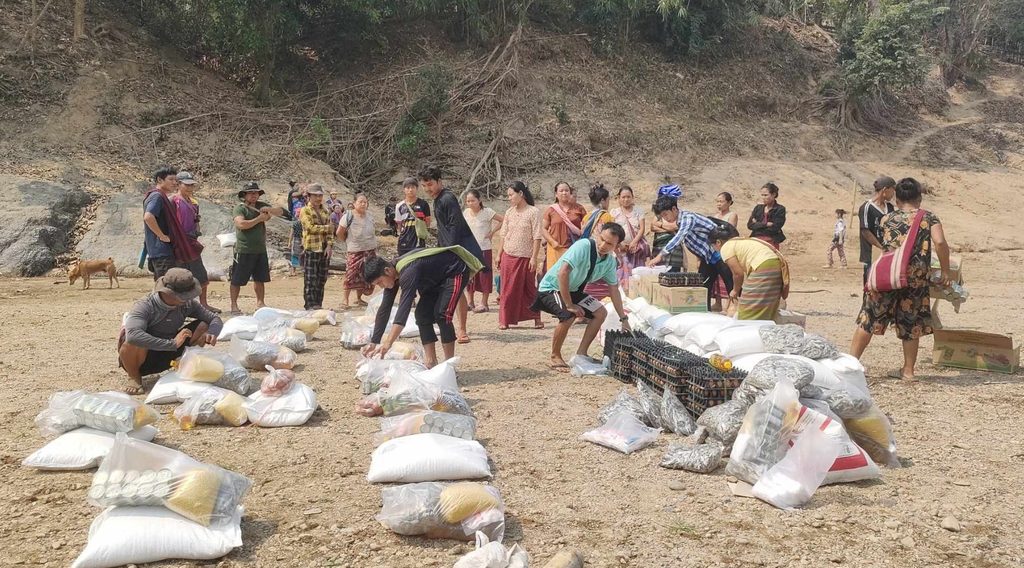
KnHRG’s work includes human rights education, documentation of human rights violations, advocacy and humanitarian support.

Karenni Mobile Health Committee
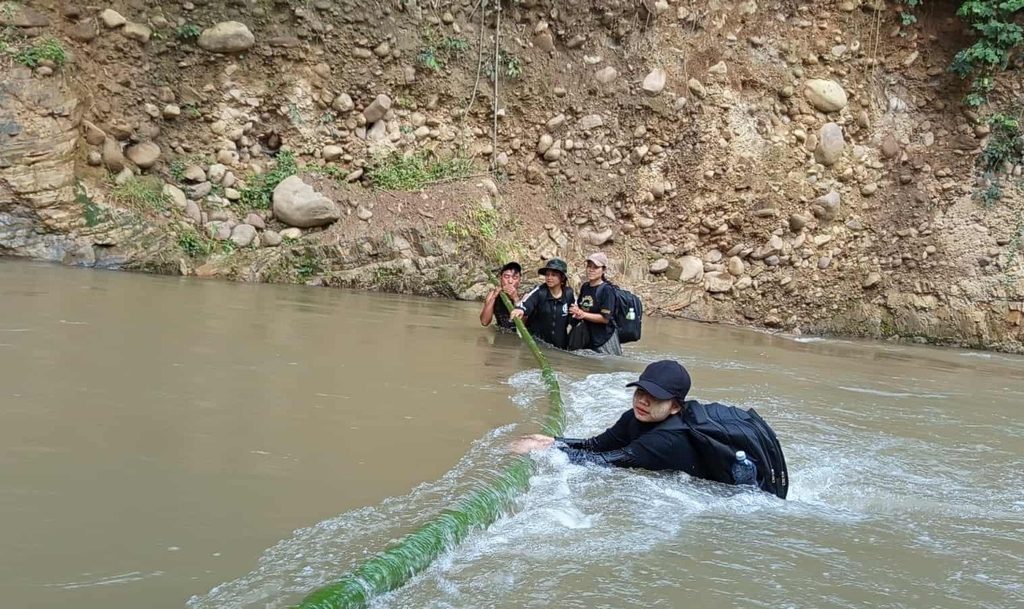
The Karenni Mobile Health Committee (KnMHC) provides healthcare and other services to people living in Karenni State. Karenni State has a population of around half a million people, and more than half of them have been forced to flee their homes since the coup in 2021. The health committee sends out medical teams carrying medicines in their backpacks, they trek for miles through the jungle to reach those wounded or sick. They help women give birth in makeshift shelters in the middle of the jungle, operate on people who have lost limbs to landmines, and treat children for malaria.
They also support refugees on the Thai-Karenni border in need of medical care, and bring emergency food aid for displaced people and refugees.
Phan Foundation
The Phan Foundation was founded by the four children of Padoh Mahn Sha, the General Secretary of the Karen National Union, and Nant Kyin Shwe, in their memory. The Foundation has four main objectives:
To alleviate poverty
To provide education
To promote human rights
To protect Karen culture
The Phan Foundation focuses in particular on young people, encouraging and supporting a new generation of grassroots activists who will work to help their people.
Political prisoners support group (anonymous)
This group was set up by young, former political prisoners, arrested after the military coup when they participated in peaceful protests against the military takeover. They are a lifeline to political prisoners – providing medicines and books to prisons across Myanmar, supporting political prisoners both with their physical and mental health. They give cash support to political prisoners and their families. They help to pay for hospital care and they help the families with funeral costs when political prisoners are killed in detention. They help political prisoners with mental health support when they are released from prison.
They also conduct research into prison conditions and the treatment of political prisoners, raise the plight of political prisoners internationally, and advocate for accountability and justice.
Ta’ang Women’s Organisation
The Ta’ang are an ethnic group mainly based in Shan State, Northern Myanmar. The Ta’ang Women’s Organisation (TWO) is a women’s rights organisation which was established in 2000.
TWO represents women’s voices in their community and advocates for the rights of women and girls with the goal of achieving gender equality, justice, peace and a federal democratic society. They aim to improve women’s participation at every level of decision making. They raise awareness within their community of women and children’s rights, including gender-based violence; promote women’s participation in politics and decision-making; and support people seeking justice for human rights violations. They also deliver aid to vulnerable groups in the community.